

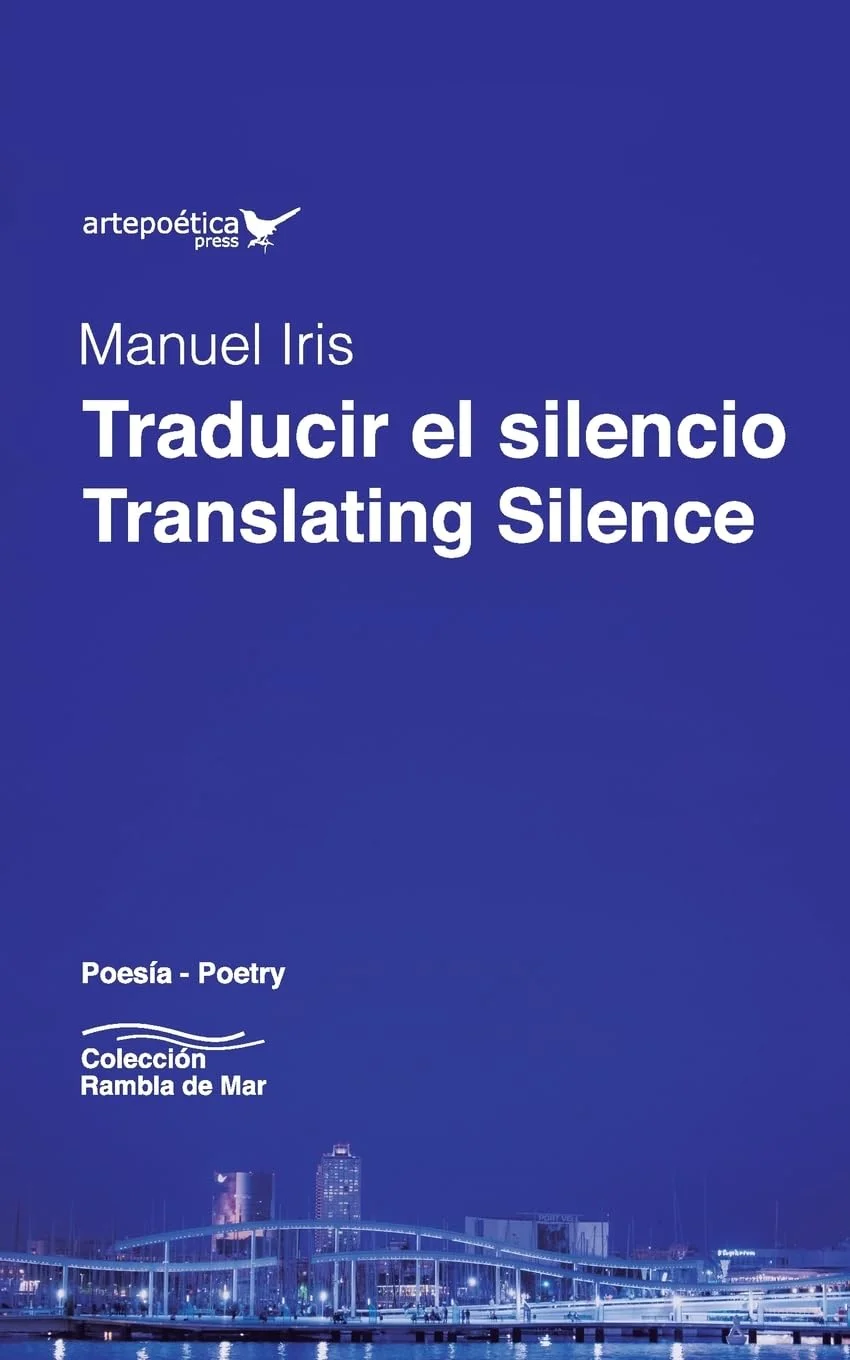
Reseña del libro Traducir el silencio/Translating silence
When I decided to compile Translating Silence / Translating Silence, I was not only looking to offer a selection of my previous works, but also to create a bridge between two worlds: that of poetry in Spanish and that of poetry in English.
This book is a celebration of the duality that characterizes my life as a writer and as a member of the Latino community in the United States.
Through these pages, I seek to share my reflections and experiences, and at the same time, invite readers on a journey that transcends language barriers.
The genesis of translating silence
The idea of a bilingual book arose from the need to give voice to the shared experiences of our community.
In each poem, I have tried to capture those moments of silence that often speak louder than words.
When translating my works, I have had the privilege of reviewing each text, ensuring that the essence of my thoughts and emotions remains intact in both languages.
This translation process is not only technical; It is an act of creation and recreation that allows me to reflect on my own identity.
A journey through poetry
Translating Silence is a collection that covers various themes, from nostalgia to hope, and each poem is a window to my inner world.
Poetry, for me, is a powerful vehicle that allows us to explore the nuances of the human experience.
In this book, each verse is an echo of my experiences and the stories I have heard over the years, especially those that resonate within the Latino community in this country.
The introduction of Armando Romero
I cannot fail to mention the profound introduction written by the legendary poet and academic Armando Romero.
His keen analysis and affection for poetry are palpable in every word.
Romero not only celebrates my work, but also contextualizes the importance of new Latin American poetry in the literary landscape of the United States.
Their perspective adds an additional layer of meaning to the work, and I am grateful for their support and friendship.
The creation process
Writing poetry is a deeply introspective process.
I often find myself sitting in silence, letting the words flow through me.
Each poem in this collection is the result of sleepless nights, conversations with friends, and moments of loneliness.
Each poem in this collection is the result of sleepless nights, conversations with friends, and moments of loneliness.
The importance of community
As a writer in Ohio, I have had the privilege of interacting with a vibrant and diverse community.
The Ohio Writers Association has been instrumental in my development as an author.
I have attended workshops, participated in readings and have had the opportunity to meet other writers who share my passion for literature.
This support network has been invaluable, and I am honored to be a part of it.
Final thoughts
As I look back on the process of creating Translate the Silence, I realize that this book is more than just a collection of poems.
It is a testament to the resilience of our community and the beauty that comes from silence.
I hope that each reader finds in these pages a corner where they feel understood and accompanied.
Poetry has the power to connect people, and my hope is that this work serves as a bridge between cultures and languages.
Invitation to continue exploring
I invite you to immerse yourself in the pages of Translating Silence and discover the richness of poetry in two languages.
I hope each poem resonates in your heart and inspires you to explore your own literary voice.
Feel free to follow my other posts and the various works of the Ohio Writers Association’s associate writers.
Together, we will continue to celebrate literature and the diversity that unites us.
Share it on your social media